
Many of our buyers cover a meaningful share of their running costs with holiday lettings, and Tuscany has one of the strongest short stay markets in Europe, concentrated between May and September. The rules changed in 2024 and they are now enforced, so read this before you count on rental income. This article is part of our complete guide to buying property in Tuscany.
The CIN, Codice Identificativo Nazionale
A national identification code, applicable since 2 November 2024, with penalties in force since 2 January 2025. It is required of hotel and non hotel accommodation operators, of anyone letting a property for tourist purposes, and of anyone letting under the short letting rules. Note that tourist letting includes stays longer than 30 days, so the code is not only for weekend rentals.
Two obligations, not one
The code must be displayed on the outside of the building, with alternative arrangements available where a condominium rule or a landscape protection constraint prevents a sign, which is common in Tuscany, and it must appear in every listing, wherever published. The obligation to show the code in the listing falls on agencies and platforms too, not only on the owner.
Penalties
- Letting without a CIN, a fine of €800 to €8,000, graduated by the size of the property.
- Failing to display it or to show it in listings, €500 to €5,000 for each property, with immediate removal of the listing.
Safety equipment
Properties let short term must have working gas and carbon monoxide detectors and portable fire extinguishers, minimum rating 13A, minimum charge 6 kg or 6 litres, one every 200 m² or part thereof and at least one per floor. These are inexpensive to fit and they are checked, so treat them as part of getting the house ready to let.
Regional rules and tax
Tuscany has its own regional identification codes and reporting requirements, which sit on top of the national CIN, and guest details must be reported to the police. Income from letting is taxable in Italy, and a local accountant will tell you which regime suits you. Source, Ministry of Tourism, FAQ on the national accommodation database, and article 13-ter of Decree Law 145/2023.
What a house realistically earns
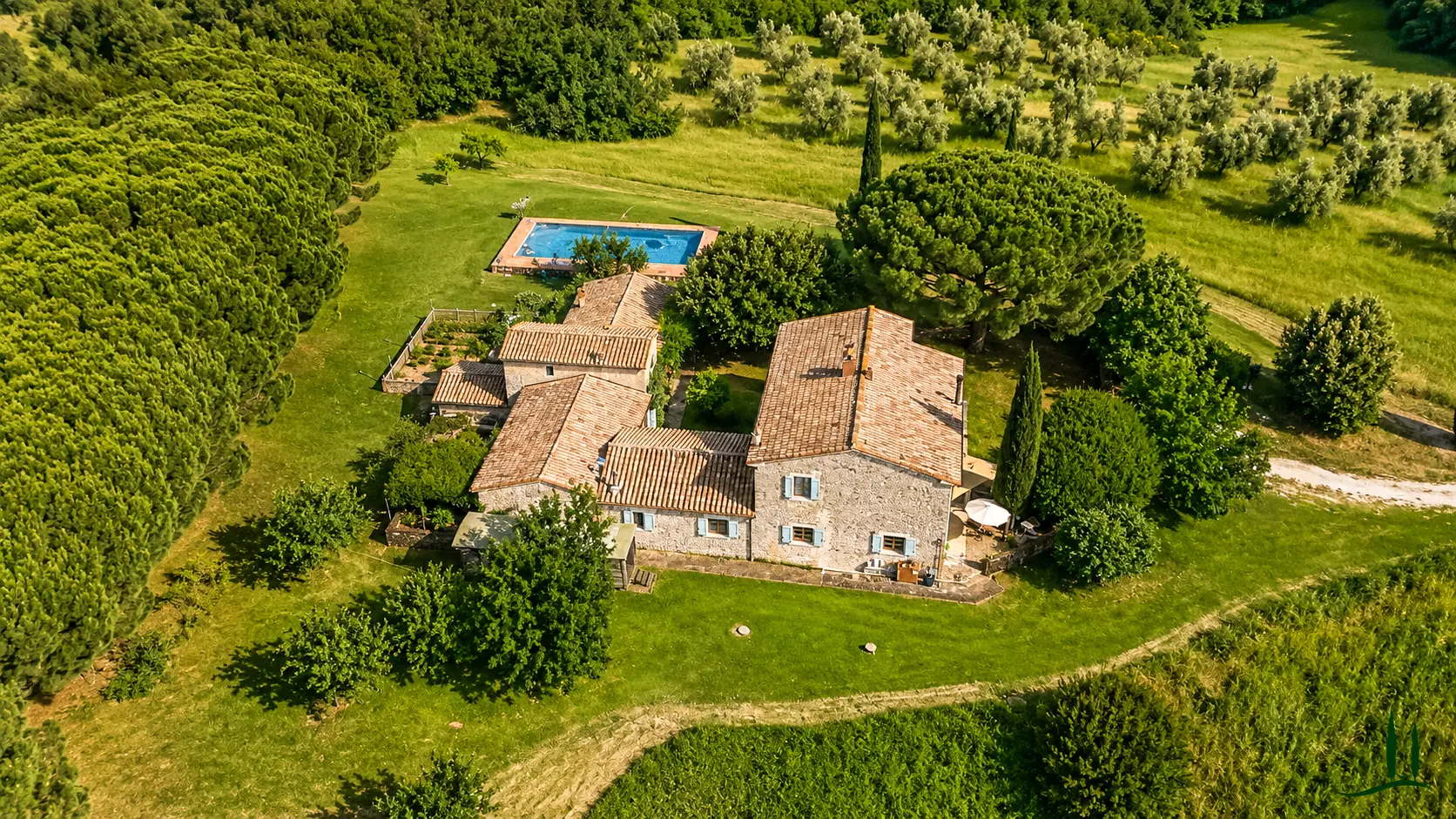
Nightly rate and occupancy depend on a handful of features far more than on the postcard, a pool, air conditioning and a comfortable distance from an airport are the three that move the numbers most. We run a rental division for exactly this reason, so we can tell a buyer, before the offer, what a specific house is realistically likely to earn in a season, rather than a hopeful round number.
Where to go next
- What it costs to own a house in Tuscany, IMU and TARI
- How much property in Tuscany costs, prices by area
- The cost of buying, taxes, fees and mortgages
How we can help
We are a boutique agency based in Tuscany with a dedicated rental division. We can tell you what a house is likely to earn before you buy it. Browse what we have for sale, use our property finding service, oder Gespräch buchen, in English, Italian or German.
Häufige Fragen
Do I need a CIN to rent out my Tuscan home?
Yes. The CIN, Codice Identificativo Nazionale, is required for tourist and short letting, applicable since 2 November 2024, with penalties in force since 2 January 2025.
Does the CIN apply to stays longer than 30 days?
Yes, tourist letting includes stays longer than 30 days, so the code is not only for weekend rentals.
What are the penalties for letting without a CIN?
A fine of €800 to €8,000 for letting without a code, and €500 to €5,000 for each property for failing to display it or to show it in listings, with immediate removal of the listing.
What safety equipment is required for a short let?
Working gas and carbon monoxide detectors and portable fire extinguishers, minimum rating 13A, minimum charge 6 kg or 6 litres, one every 200 square metres or part thereof and at least one per floor.
Is rental income taxable in Italy?
Yes, income from letting is taxable in Italy, and a local accountant will tell you which regime suits you. Tuscany also has its own regional identification codes and guest reporting on top of the national CIN.