The Italian purchase process is protected by a public notary and it is more structured than in many countries, which is a good thing for a buyer. It also has a few features that catch foreign buyers out, and an old Tuscan farmhouse adds checks a new build does not need. This article walks through it, and is part of our complete guide to buying property in Tuscany.
1. The offer, proposta irrevocabile d’acquisto
A written offer, valid for a set period, accompanied by a deposit cheque that is not cashed until the seller accepts. Here is the asymmetry nobody explains, and it matters, once signed, the proposal binds only you as the buyer, while the seller remains free to consider other offers until acceptance. When the seller does accept, the proposal automatically converts into a preliminary contract, which binds both parties to complete. Source, Consiglio Nazionale del Notariato. The practical consequence is that conditions belong in the proposal, not in a later conversation, financing, technical checks and the cancellation of any mortgage on the seller’s side.
2. The preliminary contract, compromesso
The real contract. It fixes price, completion date and penalties, and it is normally accompanied by a deposit, the caparra confirmatoria, in our experience typically between ten and twenty per cent, which is market practice rather than a rule. The protection works both ways under article 1385 of the Civil Code, if the buyer defaults the seller keeps the deposit, if the seller defaults the buyer can withdraw and demand doppio the deposit. That said, the double is not automatic in every scenario, the party who is not in default can instead ask for the contract to be enforced or terminated, in which case damages follow the ordinary rules, and the two remedies cannot be combined.
The preliminary contract must be registered with the tax authorities within 30 days of signature, with €200 of registration tax plus stamp duty. Registration is compulsory. Transcription in the land registry, under article 2645-bis of the Civil Code, is a different and optional step, and it is the one that protects you against anything happening on the seller’s side between the preliminary contract and the deed. On a long completion, ask for it.
3. The checks, between compromesso and deed
This is where professionals earn their fee, and where a Tuscan farmhouse differs from a new build anywhere else.
- Energy certificate, the APE. Compulsory. It must exist, be handed to the buyer and be attached to the deed, which must also contain a clause confirming the buyer received it. A missing attachment does not void the sale, but it carries an administrative fine of €3,000 to €18,000, owed jointly and in equal shares by both parties, seller and buyer. Article 6 of Legislative Decree 192/2005.
- Cadastral conformity. On pain of nullity, the deed must contain the cadastral identification, a reference to the plans filed with the Land Registry, and a declaration by the owners that data and plans match the actual state of the property, a declaration that can be replaced by a certificate from a qualified surveyor. The nullity is formal, it is triggered by the absence of the declaration, not by the discrepancy in itself, but a false declaration carries civil and tax consequences. Article 29, paragraph 1-bis of Law 52/1985, recently confirmed by the Court of Cassation in decision 27531 of 15 October 2025.
- Planning compliance. For buildings begun after 17 March 1985, the deed is void unless it states the reference numbers of the building permit, or of the retrospective permit. If the permit existed and was simply not mentioned, the deed can be cured afterwards. If no permit ever existed, there is no cure, the irregularity has to be regularised first, through the procedure under article 36 of Presidential Decree 380/2001, or, for partial discrepancies and material variations, under the new article 36-bis introduced by the 2024 Salva Casa decree. Either the person who carried out the works or the current owner can apply. Who pays for the regularisation is negotiated between the parties and normally settled in the preliminary contract.
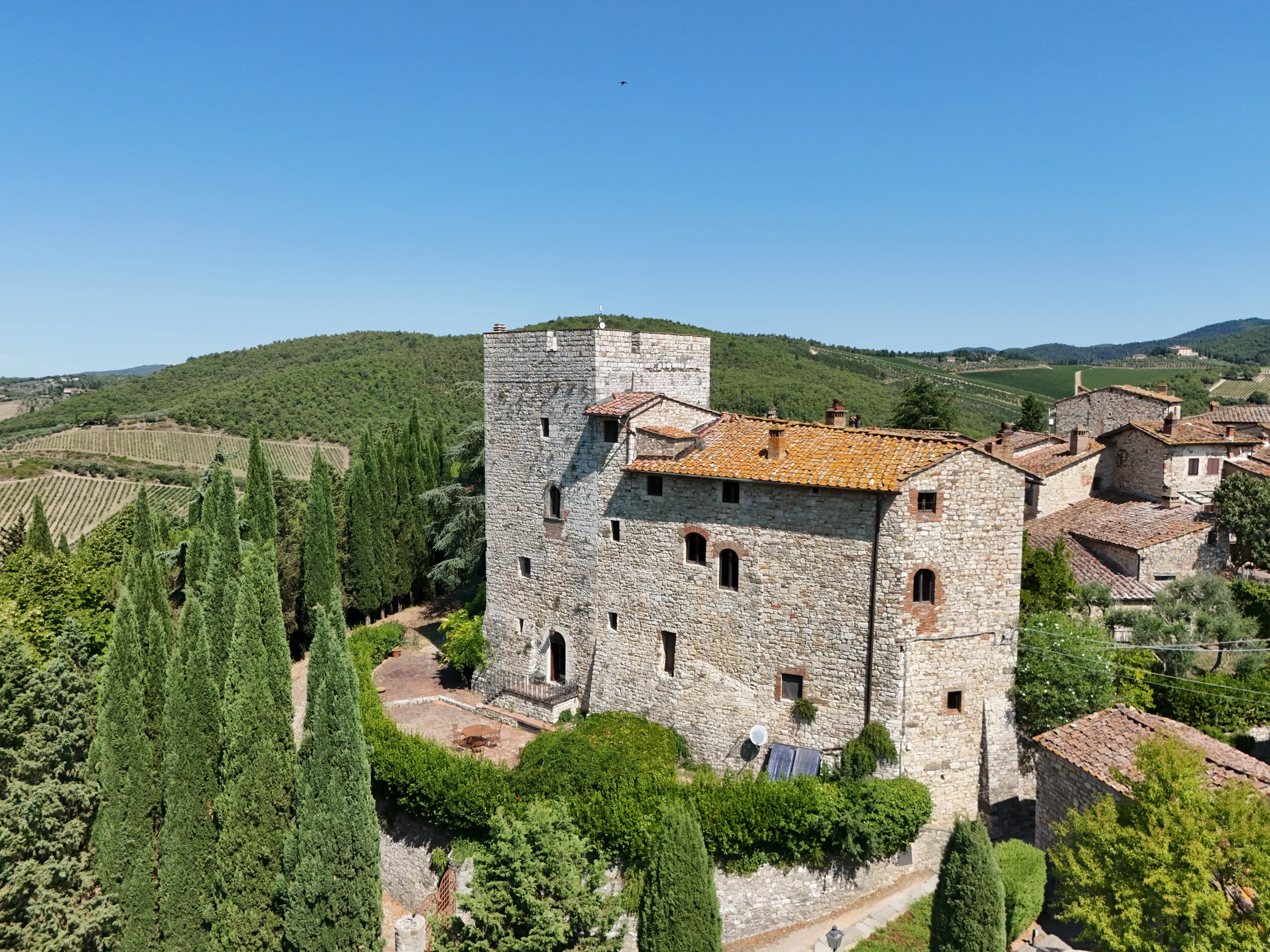
Older Tuscan farmhouses have often been extended over decades, sometimes generations. Ninety per cent of the problems we see in a transaction are here, not in the price. It is why a technical survey by a geometra or architect is the best money you spend in the whole purchase.
4. The deed, rogito
Signed before the notary, who reads the deed aloud, verifies identities and, where relevant, the reciprocity condition, collects the taxes and registers the transfer. Payment is made in traceable form, usually bank drafts, and the keys change hands at the table.
How long does it take?
In our experience two to four months from accepted offer to deed, faster with no mortgage, longer where planning regularisation is needed or where several heirs share the ownership. The single biggest cause of delay is not the paperwork, it is an old building whose plans do not match reality, which is exactly why the checks above matter.
Where to go next
- The cost of buying, taxes, fees and mortgages
- Can foreigners buy property in Italy
- What it costs to own a house in Tuscany
How we can help
We are a boutique agency based in Tuscany, and we guide foreign buyers through this process every week. You can browse what we have for sale, use our property finding service, o book a call with one of our agents, in English, Italian or German.
Domande frequenti
What are the steps to buy a property in Italy?
Four steps, the written offer or proposta, the preliminary contract or compromesso, the checks between the two, and the notary’s deed or rogito.
What is the difference between the proposta and the compromesso?
Il proposta binds only the buyer until the seller accepts, while the compromesso binds both parties to complete and fixes the price, completion date and penalties.
What is the caparra confirmatoria?
The deposit paid at the preliminary contract, in our experience typically ten to twenty per cent. Under article 1385 of the Civil Code, if the buyer defaults the seller keeps it, and if the seller defaults the buyer can demand double.
What checks are done before the deed on an old farmhouse?
The energy certificate or APE, cadastral conformity and planning compliance. About ninety per cent of the problems we see in a transaction sit here, which is why a survey by a geometra is the best money you spend.
How long does the purchase process take?
In our experience two to four months from accepted offer to deed, faster with no mortgage, longer where planning regularisation is needed or several heirs share the ownership.